
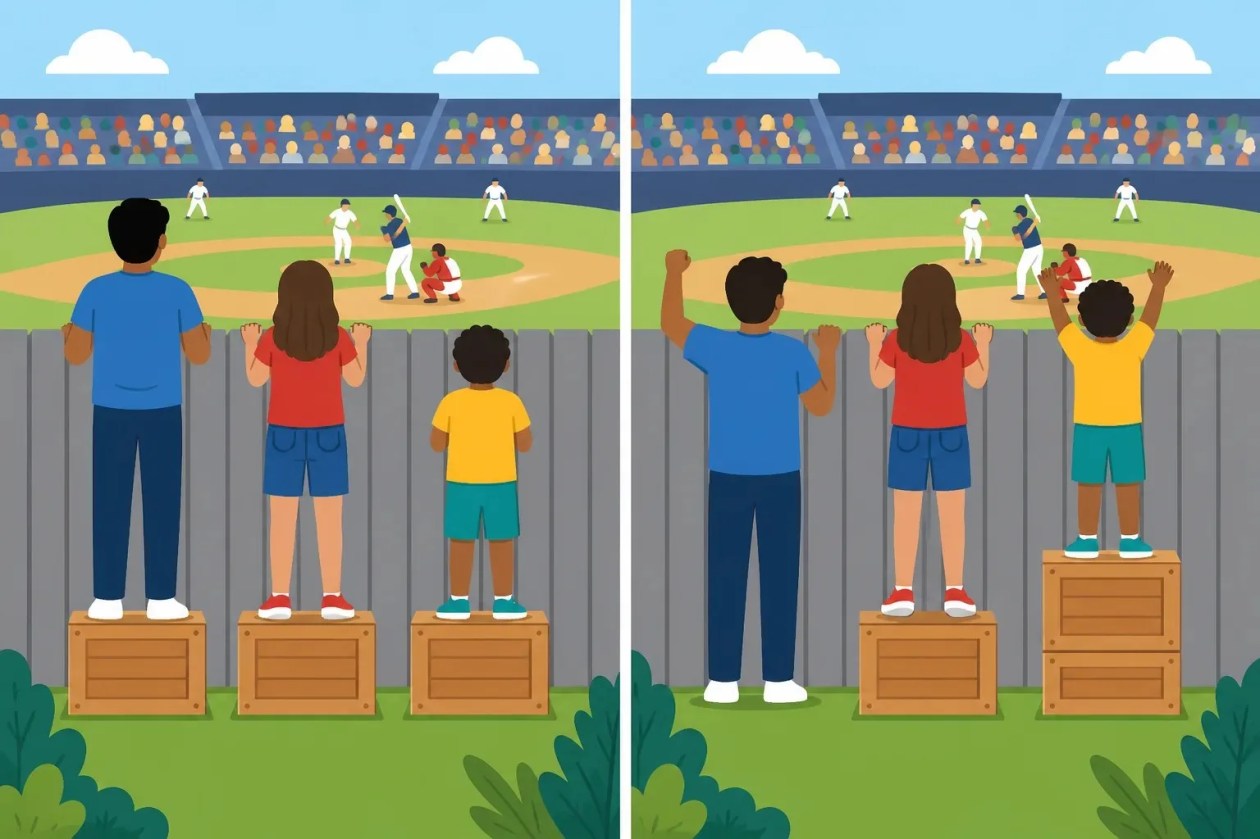
In the classroom, equity and equality are often confused, but they are not the same thing. Equality means giving every student the same amount of resources. Equity means giving each student the support they need based on their individual needs. When you focus on equity, you are trying to make learning fair in a way that helps every student succeed, rather than treating everyone exactly the same.
Understanding the difference
A simple way to think about it is this: equality gives everyone the same, while equity gives each person what they need. For example, if three students are working on the same task but one needs extra explanation, one needs a quieter space, and one needs more time, equality would give them all the same support. Equity would respond to those different needs so that each student has a fair chance to learn. This is especially important because students learn in different ways and bring different experiences to the classroom.
Why equity matters in your classroom
When you build equity into classroom practice, you can improve relationships between students and teachers, create a smoother flow of instruction, and support a more positive learning environment. It also helps you respond to students as individuals rather than as a group that all needs the same thing. That makes learning feel more respectful, more manageable, and more motivating for everyone involved.
Equity is giving resources based on the students' independent needs.
source_material
A practical way to think about fair support
- Get to know each student's individual needs so you understand how they learn and what they already know.
- Motivate students consistently without demeaning them, so they keep striving to do their best.
- Learn students' learning stories: what they understand, what they struggle with, and how they approach tasks.
- Flex your routine so students who learn in different ways still have a chance to succeed.
- Make it safe to fail by treating mistakes as part of learning and using them to improve your teaching.
- Use culture as a resource by linking learning to students' backgrounds and experiences when it fits the curriculum.
These six ideas show that equity is not about lowering expectations. It is about adjusting your approach so every student can access learning in a meaningful way. When you understand who your students are, how they learn, and what helps them stay engaged, you are better able to create a classroom where fairness is active, thoughtful, and responsive.
Key takeaways
- Equity means giving students the support they need, not the exact same support to everyone.
- Knowing students' needs and learning stories helps you teach more fairly.
- Mistakes, routines, motivation, and culture can all be used to support a more equitable classroom.
Leave a Reply