
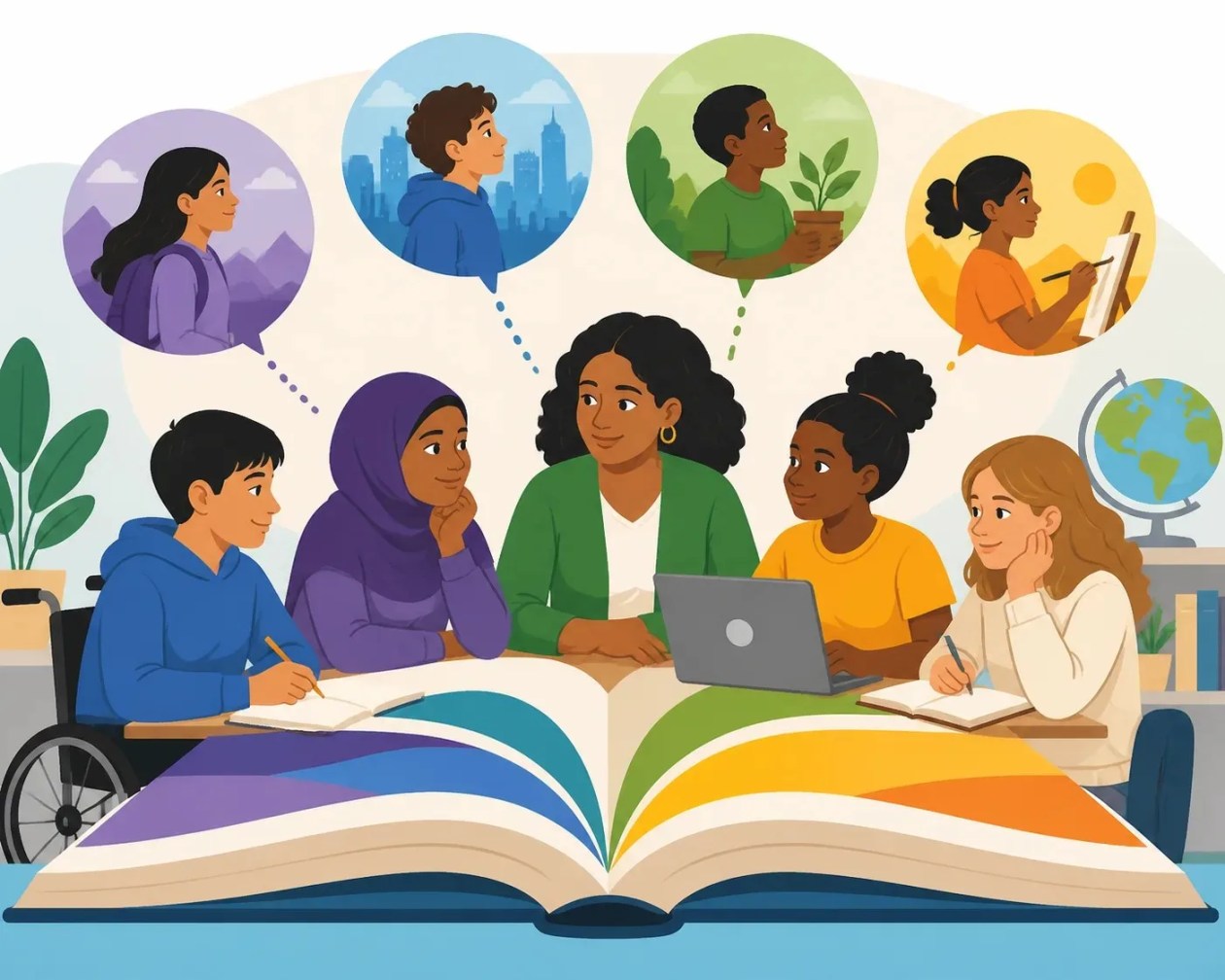
Student learning stories help you see each learner as a whole person, not just as a set of marks or behaviours. When you take time to understand what a student has already learned, what they find difficult, and how they approach tasks, you are better placed to support them fairly and well. This is one of the most useful ways to build equity in the classroom, because it helps you respond to real needs rather than making assumptions.
What a learning story tells you
A student learning story is the picture you build over time of how that student learns. It includes what they already understand, where they struggle, and the ways they like to tackle work. For example, one student may understand ideas quickly when they are explained aloud, but need extra time to write them down. Another may work best by trying something hands-on before they can explain it in words. These details matter because they help you choose the right support, rather than giving everyone the same support and hoping it fits.
Why it matters for equity
Equity is about giving students what they need, not simply the same thing as everyone else. Learning stories help you do that because they show you the differences between learners clearly. If you know a student finds reading difficult but is strong in discussion, you can build in more oral responses. If another student needs structure to stay on task, you can give shorter steps and clearer checkpoints. This kind of response supports fairness in a practical way and can also improve relationships, create a smoother flow in lessons, and help the classroom feel more positive for everyone.
How to gather a learning story
- Watch how the student starts, works through, and finishes tasks.
- Listen to what they say about what feels easy or difficult.
- Notice patterns in the kind of support they ask for.
- Look at what they have already learned, not just what they get wrong.
- Use this information to adjust your teaching and support over time.
The more you understand how a student learns, the better you can serve that student.
Source material
Putting learning stories into practice
You do not need a formal system to begin. Start by paying closer attention to the small details that reveal how a learner works. If a student always needs a prompt to begin, that tells you something useful. If another student thrives when they can talk through ideas before writing, that is useful too. Over time, these observations help you plan lessons, group work, and feedback in ways that fit your learners more closely. The result is a classroom where support feels thoughtful rather than random.
Student learning stories are especially powerful because they remind you that every learner has strengths as well as needs. When you build from both, you create better conditions for progress. That is what equitable teaching looks like in practice: knowing your learners well enough to respond to them with care, flexibility, and purpose.
Key takeaways
- Pay attention to what each student already knows, struggles with, and prefers when learning.
- Use those observations to adapt your teaching instead of giving everyone the same support.
- Look for patterns over time so your understanding of each learner becomes more accurate.
- Treat learning stories as a way to build fairness, confidence, and stronger classroom relationships.
Leave a Reply