
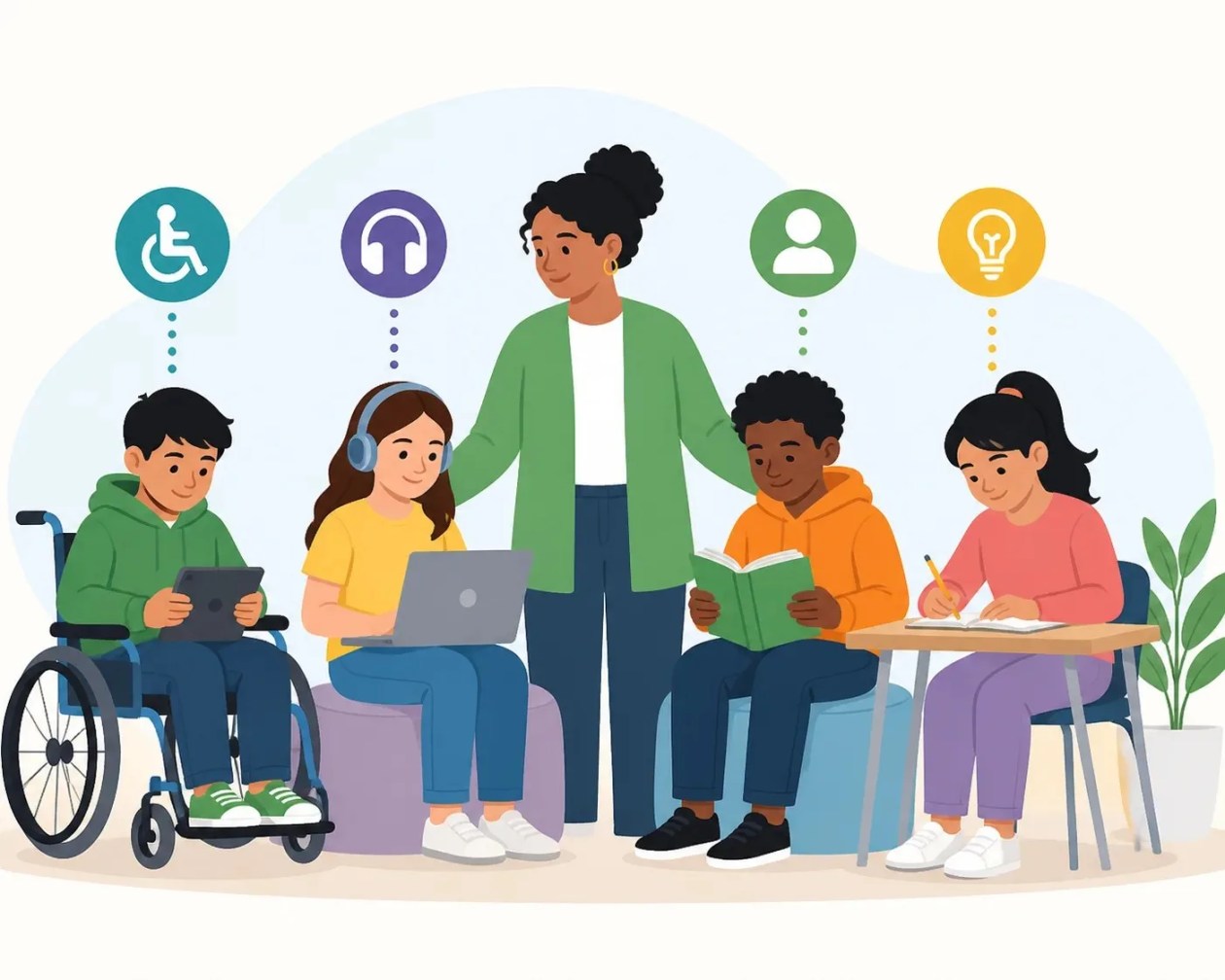
Equity in the classroom starts with seeing each learner as a whole person, not as part of a group that all needs the same thing. Equality means giving everyone the same resources; equity means giving support based on individual needs. When you understand what each student needs to learn well, you can make teaching feel more fair, more natural, and more supportive for everyone.
Why individual needs matter
Every student is unique in how they learn and in what they already know. Some may need more time, clearer instructions, or a different way into the task. Others may already have a strong grasp of the content but need encouragement or a challenge. When you know these differences, you can respond in ways that help each student learn to the best of their ability rather than expecting one approach to work for everyone.
Getting to know individual needs can also improve relationships with teachers, create a smoother flow of instruction and classroom routines, and help build a positive environment for all. In other words, understanding learners is not an extra task; it is part of making the classroom work well.
How to learn what students need
- Pay attention to how each student learns during lessons, group work and independent tasks.
- Notice what they already understand and where they struggle.
- Ask questions or have short conversations to learn how they approach certain tasks.
- Look for patterns in their work, participation and confidence.
- Use what you learn to adjust your support, pace and instructions.
This kind of noticing helps you build a clearer picture of the learner. For example, one student may understand a topic but need help organising ideas, while another may need the same idea explained in a different way. The more accurately you understand the need, the more useful your response will be.
What equity looks like in practice
Equity is not about treating everyone exactly the same. It is about giving each student what they need in order to access learning. That might mean extra encouragement, a different routine, more scaffolding, or a task adapted to match their current level. The aim is not to lower expectations, but to help every student reach them with the right support.
Equity is giving resources based on students’ independent needs.
source material
When you begin with individual needs, you make it easier to teach fairly. You also create a classroom where students feel seen, supported and more willing to engage. That is a strong foundation for all the other steps in cultivating equity.
Key takeaways
- Start by finding out what each student already knows, where they struggle and how they learn best.
- Use what you learn to adjust your support rather than giving every student exactly the same response.
- Remember that understanding individual needs can improve relationships, routines and the classroom atmosphere.
- Equity means helping each student access learning in the way that works best for them.
Leave a Reply