
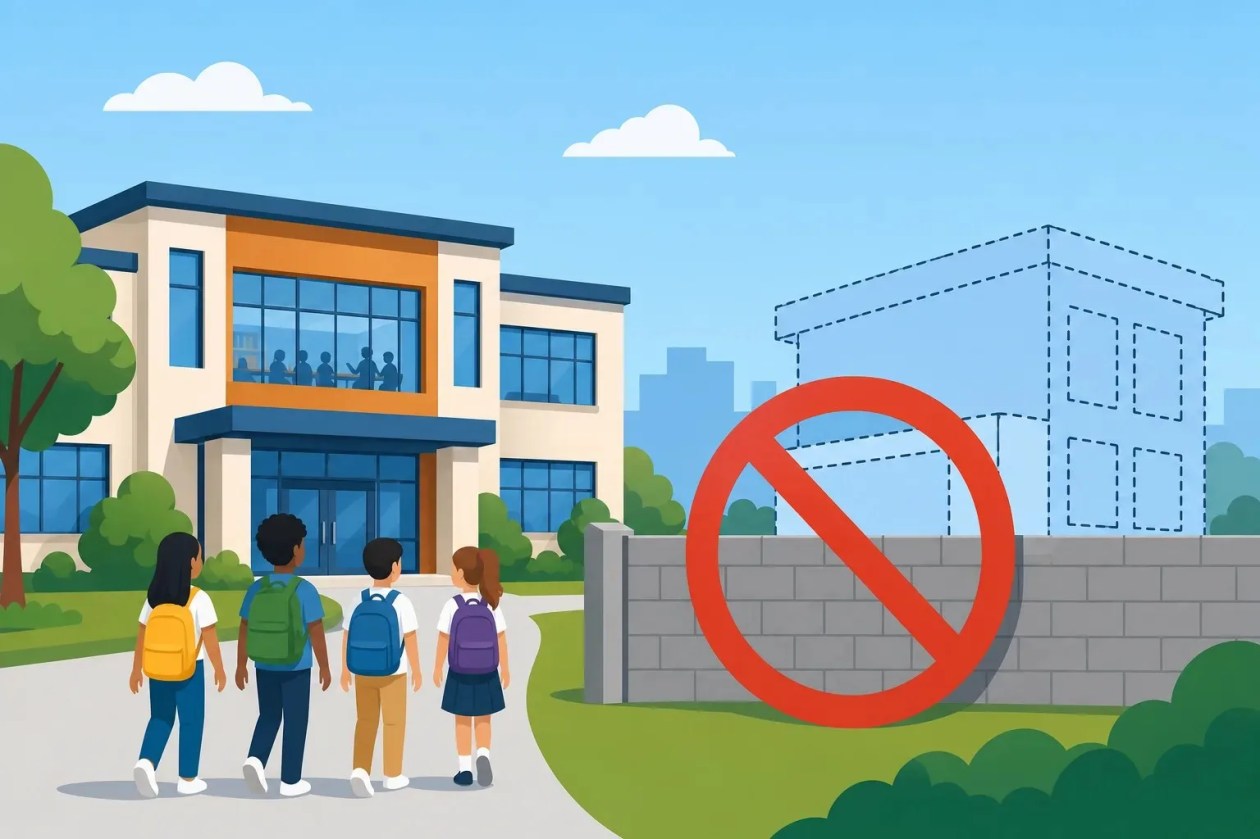
When a school is doing a great job, it can be tempting for systems to hold it back. But if you want fairness in education, blocking a good school from growing can be part of the problem, not part of the solution. The point of equity is not to keep every school the same; it is to make sure every child, whatever their financial situation, can access excellent teaching, strong curricula, and rich opportunities.
Why growth matters for equity
The source material argues that educational equity should mean providing all children with excellence. That includes excellent instruction, excellent curricula, excellent teachers, and excellent enrichment. If a charter school is already helping students achieve at high levels, stopping it from expanding can limit access to that excellence for more children. In that sense, a good school that cannot grow may leave families with fewer fair choices, especially when nearby options are not strong enough.
This matters because equity is not just about giving everyone the same thing. It is about helping each child reach their potential. Different children may need different support, but none should be denied access to a school that works well simply because it is successful and in demand.
What gets in the way
The text describes the greatest enemy of equity as mediocrity: the everyday bureaucratic dysfunction that can keep schools from improving. One example it gives is public officials making decisions that block excellent charter schools from growing or replicating. Another is refusing to step in when a principal is not able to build a culture of excellence. These choices can leave children stuck in weaker settings instead of opening the door to better ones.
- Blocking a successful school from opening more places
- Allowing weak leadership to continue without intervention
- Accepting ordinary dysfunction instead of demanding excellence
Why excellence is not the enemy
Some people argue that if one group of children does very well, that must somehow harm equity. The source material rejects this zero-sum view. It says it is misguided to put a ceiling on any child's achievement, just as it is wrong to block efforts to get all students to a floor of basic literacy and numeracy. In other words, raising the bar for some children does not mean lowering it for others. Real equity supports both high achievement and basic access.
Excellence is not the enemy of equity. It is the antidote to inequity.
source_material
What this means for you
As a student, you can think about fairness in a wider way: not only who gets into a school, but whether that school is allowed to be excellent and serve more learners well. If financial circumstances should not decide who gets a good education, then policies should help strong schools expand, not trap them at a small size. Equity should open doors, not close them.
Key takeaways
- Equity means access to excellent learning, not just equal treatment on paper.
- Blocking a successful school from growing can reduce opportunities for more children.
- High achievement and fairness can work together; they do not have to compete.
- You should question policies that protect mediocrity instead of helping more students succeed.
Leave a Reply