
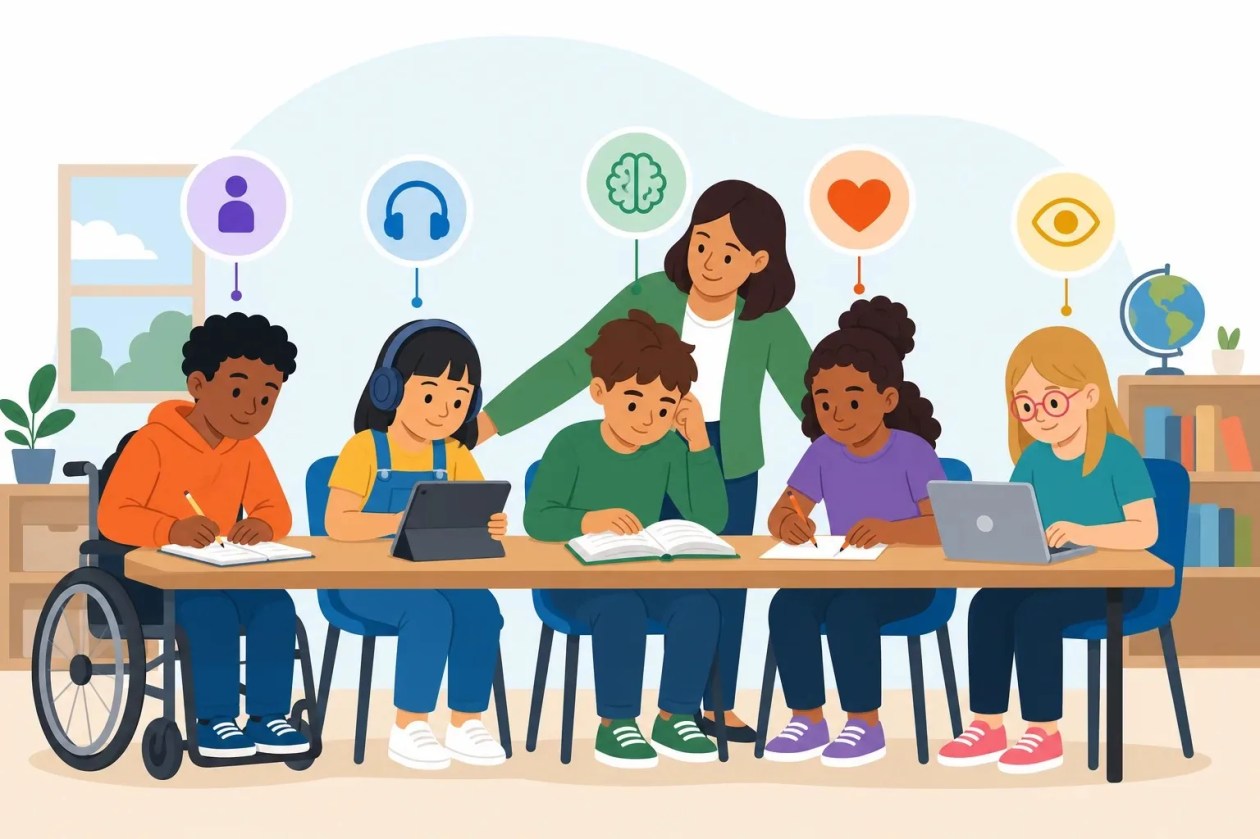
Equity in the classroom means giving you the support you actually need to succeed, not simply giving everyone the same thing. The source material shows this through a family story: one child was ready for the club at 15, while another needed more time to grow and mature. That is the heart of equity in education too. Students arrive with different experiences, strengths, needs and access to resources, so a fair classroom is one that responds to those differences with care.
Equality is not always enough
A useful way to understand the difference is to compare equality and equity. Equality gives the same opportunity to everyone. Equity asks whether each person is ready for that opportunity, and what support they need to make the most of it. In the story, equality would have meant letting all the brothers go to the club because they were the same age. Equity meant recognising that one child was not ready yet. In school, that might mean one student needs extra reading support, another needs a quiet place to work, and another needs encouragement and trust before they can take part fully.
A good parent knows her children and what they're ready for and not ready for.
source material
Economic equity: giving students the resources they need
The source material describes economic equity as making sure students have the resources they need when they need them. This matters because not all schools offer the same conditions. One school in the story had a modern building, robots and sustainable agriculture projects. Another nearby school had no heat, no air conditioning, no high-speed internet and no textbooks. If you expect both groups of students to achieve the same results without giving them different support, you are ignoring the reality they face. Economic equity can include things like up-to-date books, working technology, safe buildings, transport, meals, tutoring and specialist help.
Cultural equity: making sure students are seen and valued
The source also explains cultural equity, which is about whether students see themselves reflected and respected in school. It points out that many students are children of colour, while most teachers in the United States are white. The argument is not just about appearance; it is about belonging. Students do better when teachers and other staff understand their backgrounds, value their gifts and act as role models and cultural liaisons. The source says that when teachers of colour are present, all students benefit, and that there can be fewer exclusions from special education, less absenteeism, and stronger family and community involvement. For Black students in particular, having a Black teacher in primary school is linked in the source to lower dropout rates and a greater chance of going to college.
What this means for your classroom
When students need different support, it does not mean some are less capable. It means they are starting from different places and may need different routes to the same goal. The examples of John and Shamika show this clearly. Both had serious challenges, but the school did not define them by their mistakes. Instead, it gave them love, belief, academic help and experiences that widened their view of what was possible. That support helped them grow in confidence, complete their education and imagine a better future. In your own classroom, equity may look like patience, encouragement, adapted tasks, trusted adults, or extra time. The aim is always the same: to help every student reach their potential.
Key takeaways
- Equity means matching support to the learner, not treating every learner exactly the same.
- Students may need different resources because they come from different home, school and social conditions.
- Feeling seen and valued in school is part of success, not an extra bonus.
- When you think about fairness, ask: what does this student need to thrive?
Leave a Reply