
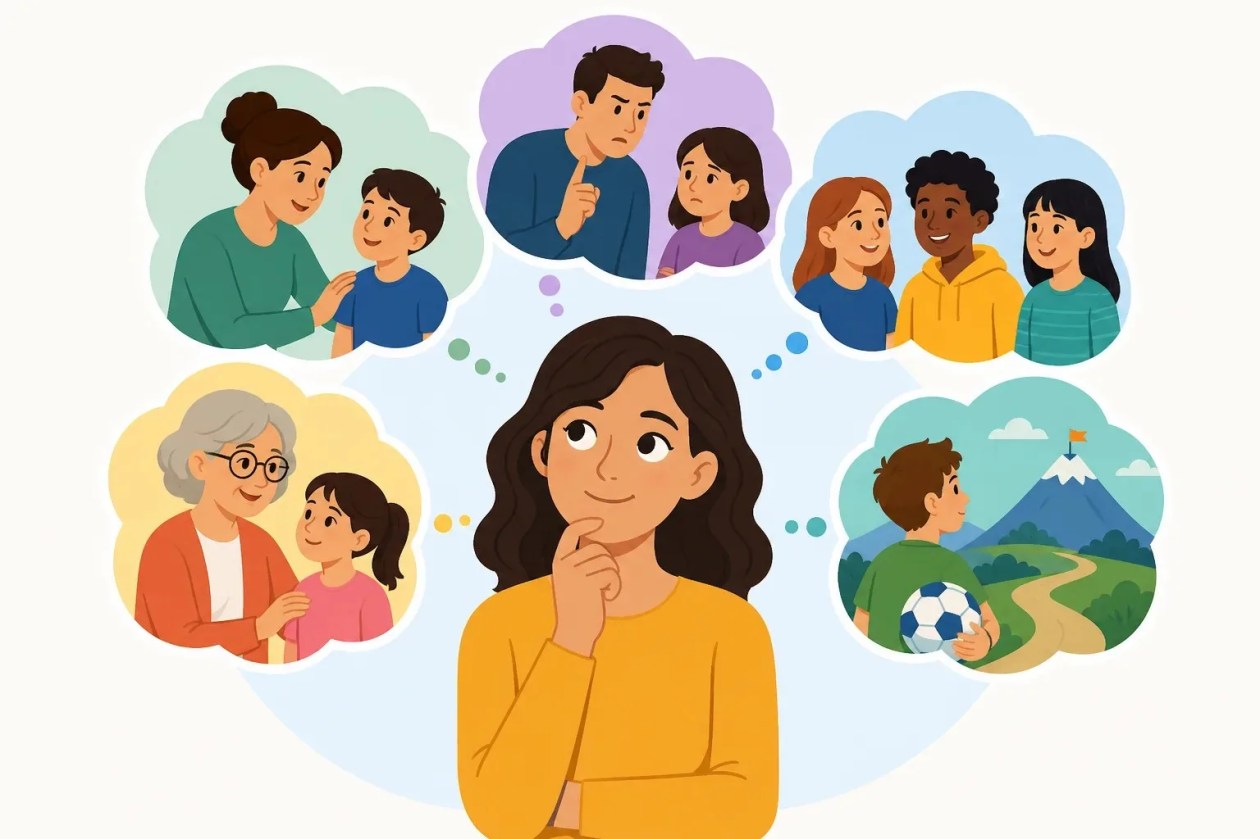
Long before you enter a workplace, you begin collecting messages about people: who belongs, who has authority, who is “normal”, and who is treated as different. Some of those messages are spoken aloud, but many are absorbed from what you see around you. This lesson helps you notice those early messages, because practical diversity starts with understanding how they can quietly shape your choices later on.
How early messages are formed
The source material shows that these messages can begin very young. A child may not be taught directly that one group is better than another, yet repeated experiences can still create a strong assumption. For example, Jennifer assumed the doctor could not be white because, in her early experience, she had only seen black doctors. In the same way, the speaker realised that her treatment of Rosetta was shaped by messages she had absorbed about Rosetta being poor and therefore somehow acceptable to mistreat. These are the kinds of early lessons that can sit quietly in your mind for years.
“We all walk around with those things in our head.”
source material
Why early messages matter at work
In the workplace, early messages do not disappear just because you are older, more educated, or more professional. They can affect how you interpret colleagues, how you judge competence, and how you respond to difference. The speaker’s point is that many discriminatory actions are not always driven by open hatred; sometimes they come from unexamined assumptions that have been carried forward for years. That is why practical diversity focuses on uncovering what is already in your head before it turns into a harmful decision.
- An assumption about race, gender, class, religion, age, disability, genetics, sexual orientation or gender identity can influence how you treat a colleague.
- A message learned in childhood can feel “normal” even when it is unfair.
- If you do not notice the message, you may repeat it without meaning to.
Recognising your own messages
A useful first step is to ask yourself what you absorbed early about different groups of people. Think about who was shown as a leader, who was trusted, who was laughed at, and who was treated as less important. You are not being asked to feel guilty for every message you received; you are being asked to become aware of them. Awareness gives you a chance to choose differently. That is the practical part of diversity: moving from what you inherited to what you deliberately practise.
- Notice the first thought you have about a person who is different from you.
- Ask where that thought came from: family, school, media, friends or community.
- Check whether the thought is based on fact or only on repeated exposure.
- Replace automatic judgement with a more careful, respectful response.
Turning awareness into better decisions
Once you recognise an early message, you can stop it from guiding your behaviour. This matters because workplace discrimination can be costly, damaging, and avoidable. The source material makes this very clear through the example of the trucking company that faced a 15 million dollar judgment after racist practices affected employment in multiple ways. The lesson is not only that bad behaviour is wrong; it is that many harmful decisions begin with unchecked assumptions that could have been challenged much earlier. If you learn to question those assumptions now, you are more likely to make fair decisions later.
- Pause when you notice a strong reaction to someone who seems unfamiliar to you.
- Identify the message behind that reaction: what were you taught, directly or indirectly?
- Test the message against the facts in front of you.
- Choose the response that is kind, respectful and fair, rather than the one that feels automatic.
“Figure out what your messages are that may have a problem in the workplace and deal with them.”
source material
Key takeaways
- Early messages about difference can shape your workplace behaviour even when you do not notice them.
- Not every unfair action comes from open prejudice; sometimes it comes from unexamined assumptions.
- If you want to practise diversity well, start by identifying the messages you learned and questioning them.
- Awareness is useful only when it leads to better choices: fairness, respect and kindness in action.
Leave a Reply